
Yes, anyone who needs to can apply to ride a scooter. However, it is more suitable for the following groups of people.
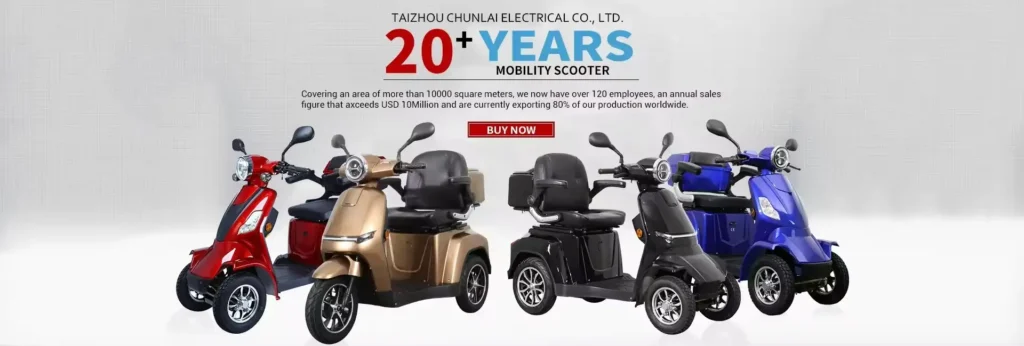
Who They’re Intended For
- People with permanent or temporary mobility impairments (e.g., arthritis, post-surgery recovery, spinal conditions) who struggle with walking long distances.
- Older adults who need support to maintain independence in daily activities like shopping or socializing.
Who Should Avoid or Use With Caution
- Individuals with severe cognitive impairments (e.g., advanced dementia) who can’t safely operate the scooter (e.g., judge speed, navigate obstacles).
- Those with uncontrolled seizures (e.g., epilepsy) or sudden loss of motor control, as these could lead to accidents.
- People without any mobility need who might misuse the scooter, creating safety risks for themselves and others.
Key Advice
- Always consult a healthcare provider or mobility specialist to assess if a scooter is right for your needs.
- For legal compliance and safety, only use a scooter that matches your physical abilities and intended use case.
- If you’re considering a scooter for a loved one, prioritize models with safety features (e.g., stable tires, easy-to-use controls) and ensure they receive proper training.

The EU regulations on scooters are as follows:
The policies on electric scooters vary across EU countries, mainly covering aspects such as speed limits, age restrictions, safety requirements, and usage area regulations. Here are the policies of some major countries:
Country | Speed Limit | Age Restriction | Safety Requirements | Usage Areas |
Austria | ≤25 km/h | Not specified | Not specified | Allowed on bike lanes/roads |
Belgium | ≤25 km/h | ≥16 years old | No helmet or insurance required | Not specified |
Bulgaria | ≤25 km/h | Not specified | Helmet wearing is encouraged | Subject to local regulations |
Croatia | ≤25 km/h | ≥16 years old | Not specified | Not specified |
Cyprus | ≤25 km/h | ≥16 years old | Helmet must be worn | Not specified |
Czech Republic | ≤25 km/h | Not specified | Insurance may be required in some cities | Not specified |
Denmark | ≤20 km/h | Not specified | Helmet must be worn | Not specified |
Estonia | ≤25 km/h | ≥14 years old | Helmet wearing is encouraged | Not specified |
Finland | ≤25 km/h | ≥15 years old | Not specified | Not specified |
France | ≤25 km/h | ≥14 years old | Insurance and license plate required | Prohibited on sidewalks |
Germany | ≤20 km/h | ≥14 years old | Insurance sticker required | Allowed on roads and bike lanes; prohibited on sidewalks |
Greece | ≤25 km/h | ≥15 years old | Helmet must be worn | Not specified |
Hungary | Not specified | Not specified | Not specified | Subject to local regulations |
Iceland | ≤25 km/h | ≥13 years old | Must wear a helmet if under 16 | Not specified |
Ireland | ≤20 km/h | ≥16 years old | Registration required | Not specified |
Italy | ≤25 km/h | Not specified | Helmet must be worn, insurance purchased, and license plate installed | Not specified |
Latvia | ≤25 km/h | ≥14 years old | Helmet wearing is recommended | Not specified |
Lithuania | ≤25 km/h | ≥14 years old | Not specified | Allowed on bike lanes |
Luxembourg | ≤25 km/h | ≥16 years old | Helmet wearing is recommended | Not specified |
Malta | ≤25 km/h | ≥16 years old | Helmet must be worn | Not specified |
Netherlands | ≤25 km/h | ≥16 years old | Insurance and license plate required | Not specified |
Poland | ≤25 km/h | Not specified | Not specified | Subject to local regulations |
Portugal | ≤25 km/h | ≥16 years old | Helmet wearing is encouraged | Not specified |
In addition, some cities have also introduced special policies for shared electric scooters. For example, Prague will ban shared electric scooters from January 2026 to address safety risks and sidewalk clutter issues.
